
Platinum is not automatically better than gold. Gold is often the simpler metal to research and compare in widely recognized bullion formats, while platinum offers exposure to a precious metal with more pronounced industrial-use considerations. The practical choice depends on the exact item, total purchase and potential resale terms, your need for recognizable formats, and what you mean by “better”—not on a universal ranking.
Key Takeaways
- “Better” is a decision question, not a fixed property: compare the same weight, purity, product type, and transaction terms before comparing metals.
- A metal’s spot quote is only a benchmark. Melt value, retail ask, bullion premium, collector premium, and a possible buyback spread are different numbers.
- Gold has jewelry, technology, investment, and central-bank demand; platinum has important catalytic, chemical, jewelry, and high-temperature applications. Those different demand mixes do not predict a future price.[1][2]
- For physical bullion, recognition, product availability, premium, dealer bid terms, condition, and documentation may matter as much as the metal itself.
- This comparison can help organize questions for a dealer or financial professional; it cannot determine which metal is right for a particular person.
Start with the right question: better for what?
The most useful answer to “is platinum better than gold?” starts by naming the job the metal is meant to do. A reader considering a familiar one-ounce bullion coin has a different question from a collector comparing proof coins or a buyer seeking metal for fabrication. Combining those purposes makes a simple comparison misleading.
| If your main question is about… | Compare this first | Why it matters |
|---|---|---|
| Bullion value | Fine-metal content, current spot quote, product premium, and delivered retail ask | Equal face values or coin diameters do not mean equal metal content or cost. |
| Ease of comparison | Widely recognized formats, dealer quotations, and stated buyback approach | A clear market for a standard item can make quotes easier to compare; it does not guarantee a resale outcome. |
| Industrial exposure | How each metal is used and the risks tied to those uses | Industrial demand is one input among many, not a price forecast. |
| Collecting | Mintage, condition, finish, provenance, grading, and collector demand | Collector value can be far above or below metal value and must be assessed separately. |
| Jewelry or fabrication | Alloy, durability requirements, design, repairability, and maker terms | These are material and workmanship choices, not bullion-return claims. |
Gold has a broad set of uses in jewelry, technology, and as a store of value; the U.S. Geological Survey also notes its electrical conductivity and corrosion resistance.[1] Platinum-group metals have outstanding catalytic properties and are used in automotive emissions treatment, chemical processes, petroleum refining, jewelry, electrical contacts, and high-temperature applications.[2] These facts explain why the metals can respond to different real-world conditions. They do not establish that either metal will outperform the other.
For a broader introduction to roles that gold, silver, platinum, and collectible bullion can play, see Agate’s guide to choosing among precious metals. This article stays narrower: it is a practical way to compare a platinum item and a gold item without mistaking one kind of value for another.
Platinum vs. gold at a glance
A fair comparison uses like-for-like units. Compare one troy ounce of fine metal with one troy ounce of fine metal, or convert a product’s gross weight and fineness into fine-metal weight before using a spot quote. Then compare the actual product and the transaction terms.
| Factor | Gold | Platinum | Practical buyer takeaway |
|---|---|---|---|
| Common bullion forms | Bars and government or private-mint coins; many sizes are available | Bars and coins, often in a narrower selection than gold | Compare the particular format and its recognition, not only the metal name. |
| Purity notation | Frequently expressed as fineness or karat for jewelry; bullion listings state fine-metal content | Common bullion listings state fineness and fine-metal content | Read the listing’s actual weight and purity. “One ounce” can refer to gross or fine weight depending on the item. |
| Demand context | Jewelry, technology, investment, and central-bank demand are important market sectors.[3] | Catalytic, automotive, chemical, jewelry, electrical, and high-temperature uses are material demand contexts.[2] | Different demand sources can create different market behavior; neither mix predicts price direction. |
| Value concentration | Varies with the live market quote and product terms | Varies with the live market quote and product terms | Do not assume one is always more valuable per ounce. Check the current quote and the exact item. |
| Retail choice | Often a broad range of standard bullion formats | Selection can be more specialized by dealer and mint | Availability changes. Compare live listings and ask about the exact product’s terms. |
| Resale comparison | Standard, recognizable items may receive more readily comparable bids | A dealer may have different current demand, inventory, and testing needs | Ask for a current buyback indication for the exact item, if the dealer offers one. It is not a future promise. |
Fineness and weight are not the same thing
A sound comparison begins with fine-metal weight. Fineness describes the share of an item that is the named metal; weight describes how much the item weighs. A listing should make both understandable. For example, a jewelry item may be sold in karats and total grams, while a bullion bar may state a troy-ounce fine-metal content and fineness. Neither description alone tells you the retail price or resale value.
The most common bullion unit is the troy ounce, not the ordinary avoirdupois ounce used for many household goods. A dealer should identify the unit, weight, purity, brand or mint, and condition. To compare physical formats before selecting an item, consult this gold and silver bar size and purity guide. Its format checklist is useful even when the item under consideration is platinum.
What “value” means in a platinum-versus-gold comparison
The phrase “value of platinum vs. gold” can refer to several different calculations. Treating them as synonyms is one of the most common sources of confusion. The table below separates the terms so a buyer can ask a clearer question.
| Term | Plain-language meaning | Simplified calculation or test | What it does not tell you |
|---|---|---|---|
| Spot price | A market benchmark for immediate delivery of a specified amount of pure metal | Quote per troy ounce × fine-metal ounces | The retail price of a specific bar or coin. |
| Melt value | Estimated raw-metal value based on contained fine metal | Fine-metal weight × current spot quote | A guaranteed offer, collectible value, or finished-jewelry value. |
| Bullion premium | Amount above the metal benchmark for a bullion product | Retail ask − metal value | Whether the product is collectible or whether the premium will be recovered later. |
| Retail ask | The price a buyer is asked to pay for the listed item now | Live product price plus any stated transaction charges | A future resale price or a dealer’s bid. |
| Collector premium | Amount attributed to collectible characteristics beyond metal | Depends on rarity, condition, demand, original surfaces, and provenance | A universal percentage or a substitute for an appraisal. |
| Possible buyback spread | The gap between a dealer’s sell price and buy price for a product or metal | Dealer retail ask − dealer current bid | A fixed fee or a promise that the same quote will apply later. |
A teaching formula is useful:
Estimated melt value = fine-metal weight × current spot quote per troy ounce
For a bullion item, a second formula helps keep the product-level math visible:
Indicative bullion premium = current retail ask − estimated melt value
These are educational formulas. They require a time-stamped spot quote, the item’s exact fine-metal content, and a current retail ask to produce a meaningful result. They also do not capture payment-method differences, handling, insurance, storage, taxes, condition, market depth, testing, or dealer-specific policies. See Agate’s plain-English spot-price and premium explainer for the foundation behind the terms.
A comparison worksheet without using stale prices
Rather than inserting a price that could be out of date as soon as it is published, use the same worksheet for both items at the same observation time.
| Record at the same time | Gold item | Platinum item |
|---|---|---|
| Item description, brand/mint, and condition | ||
| Stated gross weight and fine-metal weight | ||
| Stated fineness | ||
| Spot quote used and timestamp | ||
| Calculated melt value | ||
| Current retail ask | ||
| Dollar and percentage premium over melt | ||
| Whether the price includes a collector component | ||
| Current dealer bid or buyback indication, if available | ||
| Storage, documentation, and verification considerations |
The point is not to identify a “winner” from one number. It is to see whether two listings are being compared on an equivalent basis. FINRA advises buyers of physical metals to compare metal weight with spot, ask how much they might receive in a buyback, and obtain costs in writing.[4]
Uses matter, but they are not a forecast
Platinum and gold each have industrial uses, but their use profiles are not identical. Gold’s combination of conductivity and corrosion resistance supports uses in electronics, communications equipment, aerospace, and other applications, in addition to jewelry.[1] The World Gold Council organizes gold demand across jewelry, technology, investment, and central-bank sectors.[3]
Platinum is one of the platinum-group metals. USGS identifies catalytic applications in vehicle emissions control, petroleum refining, chemical production, and other processes, alongside jewelry, electrical, and high-temperature uses.[2] In practical terms, a platinum buyer should understand that manufacturing and technology-related demand can be relevant background when reading market commentary.
That background is not a market call. Supply, recycling, currency, interest-rate expectations, investment flows, geopolitical events, fabrication demand, and dealer inventory can all affect quotes. A claim that a given industrial use means platinum “must” rise, or that gold’s monetary history makes it “guaranteed” to hold value, oversimplifies a market with real uncertainty.
Education boundary: This section describes documented uses of the metals. It is not an appraisal of an item, a forecast of future supply or price, or a recommendation to buy one metal over another.
Bullion, proof, and graded pieces: do not blend their value layers
A comparison becomes especially unreliable when it pits ordinary bullion against a collectible product. A standard bullion coin or bar is generally evaluated first by fine-metal content, current market terms, recognizability, and condition. A proof issue, limited release, or third-party graded coin may have a collector premium that moves on different factors.
“Proof” is a production and finish designation; “graded” describes an opinion about a coin’s condition and related characteristics from a grading service. Neither word is a substitute for knowing the item’s fine-metal content, and neither establishes a universal resale value. The holder, label, and visible details may be relevant to a review, but they are not a do-it-yourself authentication or appraisal.
If an item could have collector value, keep it separate from a bullion-melt calculation. Preserve packaging and documentation, avoid cleaning or altering the piece, and seek a qualified professional evaluation when a transaction calls for one. When authenticity is in doubt, do not rely on a single home test, a listing photo, a serial number, or a grading label alone. A dealer or appropriate specialist can explain the limits of the checks used; that discussion is different from a guarantee of genuineness.
Buying factors that matter more than a headline metal comparison
The practical decision is usually made at the product and dealer level. The following checklist applies to a gold or platinum bullion comparison without telling anyone what to buy.
- Define the item category. Are you comparing ordinary bullion, jewelry, a proof coin, or a collectible coin? Compare like with like.
- Confirm fine-metal content. Read the stated metal, fineness, fine weight, gross weight, and unit of measure. Keep the product page, receipt, and documentation.
- Use one timestamp. Record both spot quotes and both retail asks at roughly the same time. A price comparison made hours or days apart can be misleading.
- Separate premium layers. Identify the basic bullion premium separately from any collector or packaging premium.
- Ask about the other side of the transaction. If liquidity matters to you, ask whether a dealer currently makes a market in the exact product and how a current bid is calculated. A quoted indication can change and is not an obligation to buy in the future.
- Vet the seller and the terms. Review the product description, policies, physical business details, independent feedback, and written total before paying. Agate’s guide to evaluating a precious-metals dealer outlines useful questions about transparency and seller verification.
- Keep records. Save invoices, order confirmations, photographs, assay information when applicable, and any correspondence about condition. Recordkeeping helps compare what was purchased with what is later quoted; it does not determine tax treatment.
No checklist removes risk. FINRA and the CFTC warn that physical-metals pitches can involve inflated prices, undisclosed costs, high-pressure tactics, or misleading claims of safety.[4] Be wary of anyone who insists a metal is risk-free, predicts a certain return, pushes an urgent rollover or purchase, or will not put the complete terms in writing.
So, is platinum better than gold?
Platinum may be more relevant than gold for a buyer specifically interested in a precious metal with substantial catalytic and industrial-use context. Gold may be more practical for a buyer who prioritizes comparing a broad range of familiar bullion formats. Those are starting points for research, not personal recommendations or predictions of future performance.
A disciplined comparison should end with a product-level answer: Which exact item has clearly stated weight and purity? What is the time-stamped metal benchmark? What is the current retail ask and why is it above melt value? Is a collector component involved? What are the dealer’s current terms and verification process? If those answers are not clear, the right next step is more research—not a rushed choice between metal names.
Platinum and Gold Bullion to Compare
Compare the same fine-metal weight, product type, current premium, condition, and transaction terms. A platinum coin and a gold bar are not like-for-like merely because each is one ounce.
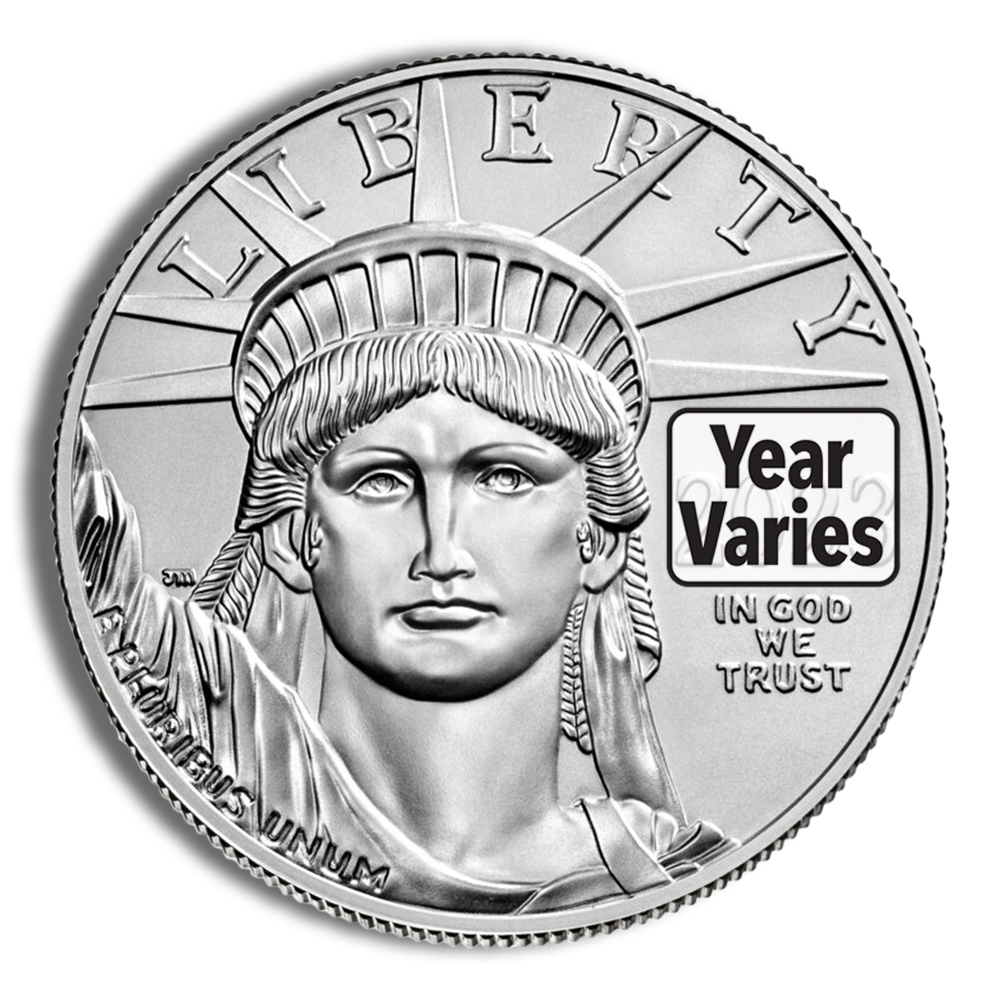
1 oz Platinum Eagle – BU (Date Varies)
A one-ounce American Platinum Eagle with sovereign-mint recognition.
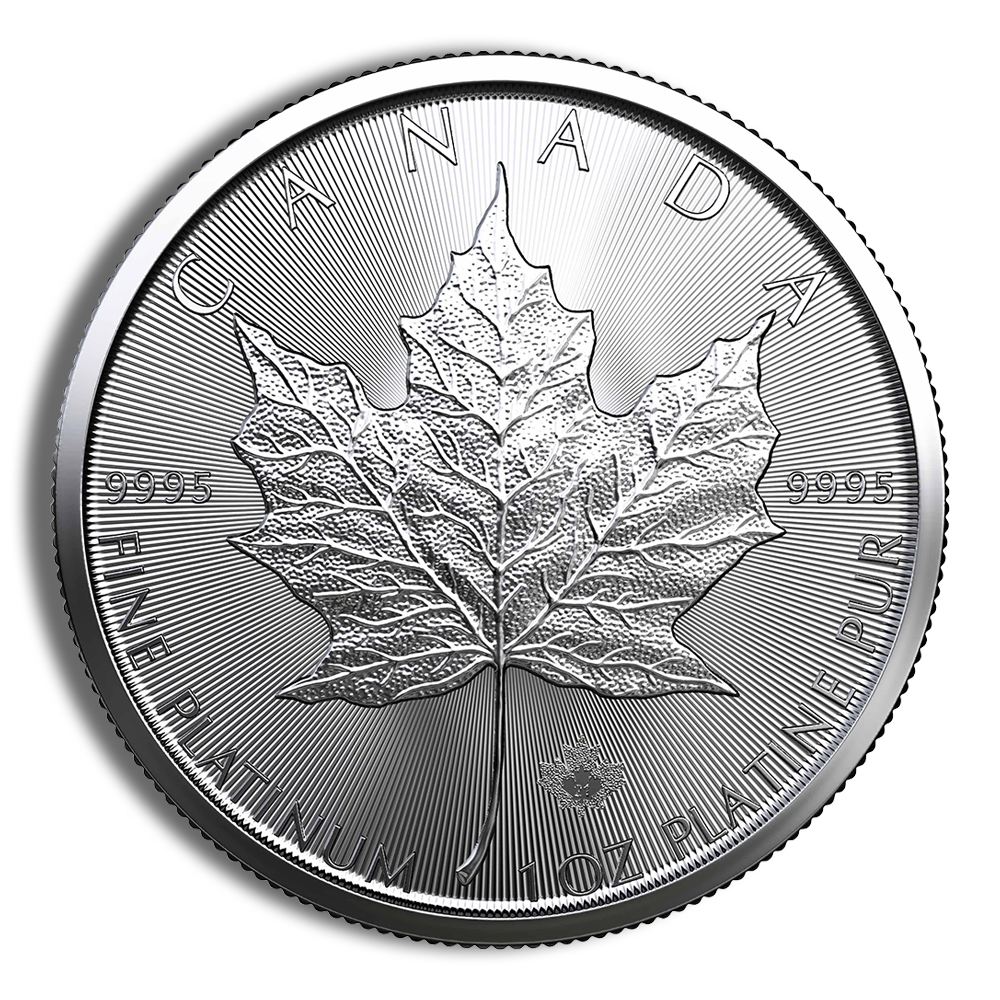
Platinum Maple Leaf – 1 oz (Year Varies)
A one-ounce Canadian Platinum Maple Leaf with year varying.
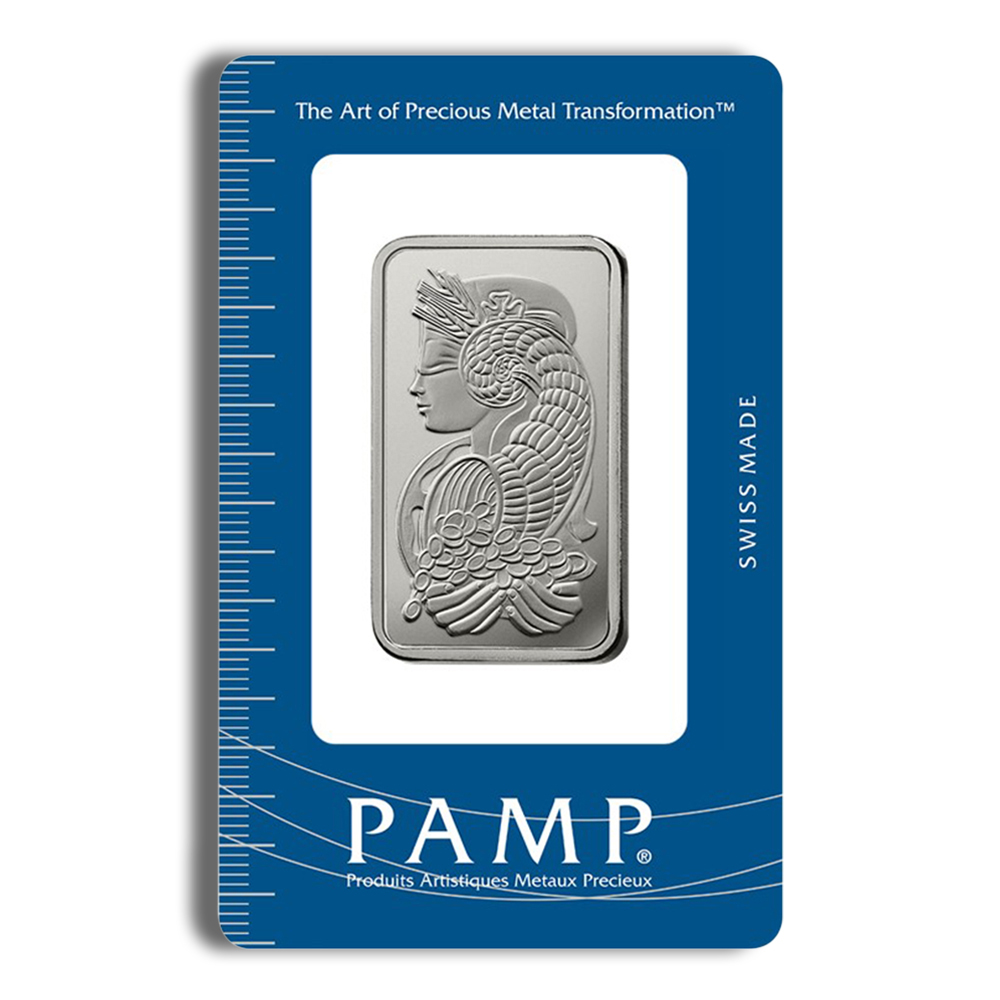
1 oz Platinum Bar – PAMP Fortuna (Carded)
A one-ounce PAMP Fortuna platinum bar in carded form.
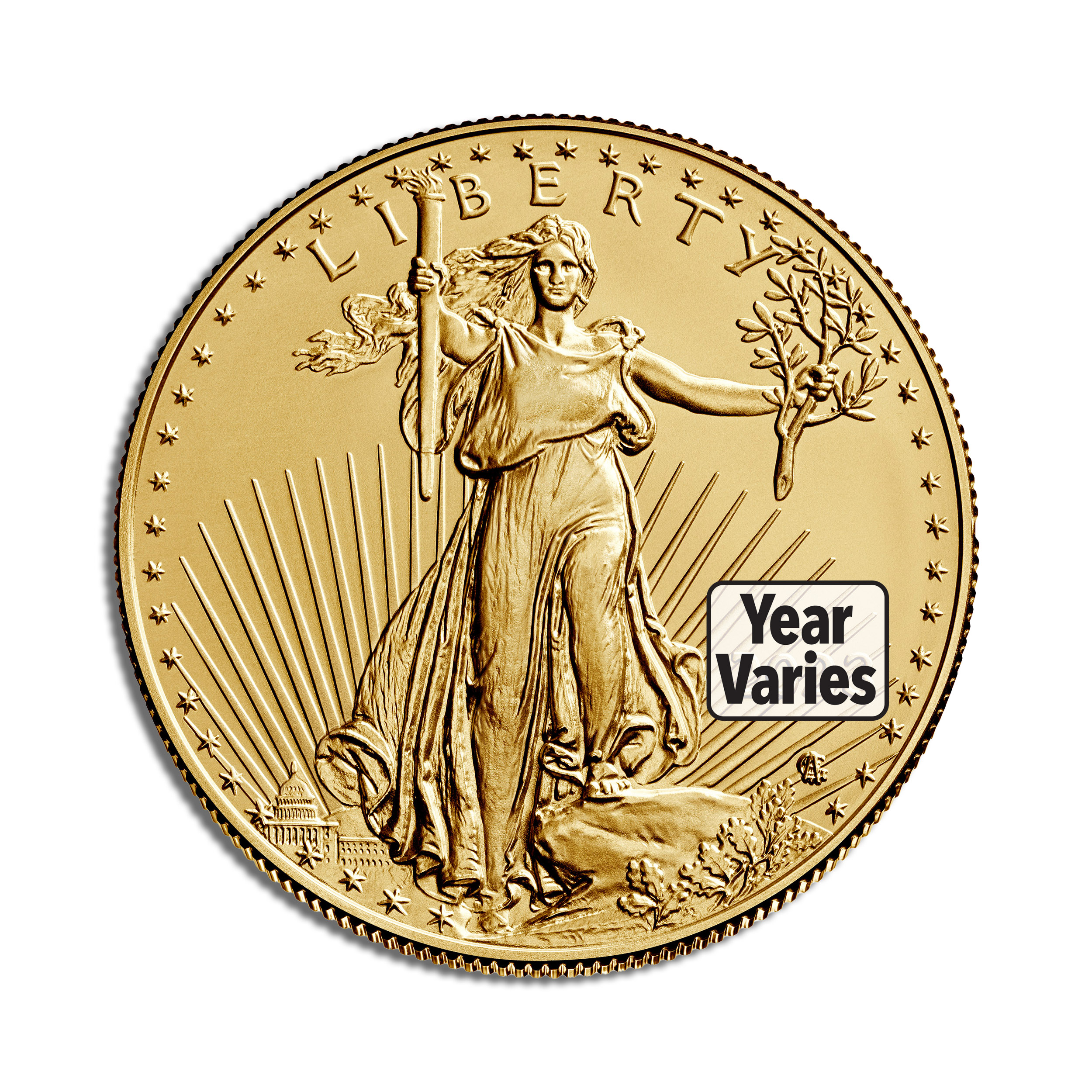
1 oz Gold Eagle – BU (Year Varies)
A one-ounce Gold Eagle with year selected under the listing terms.
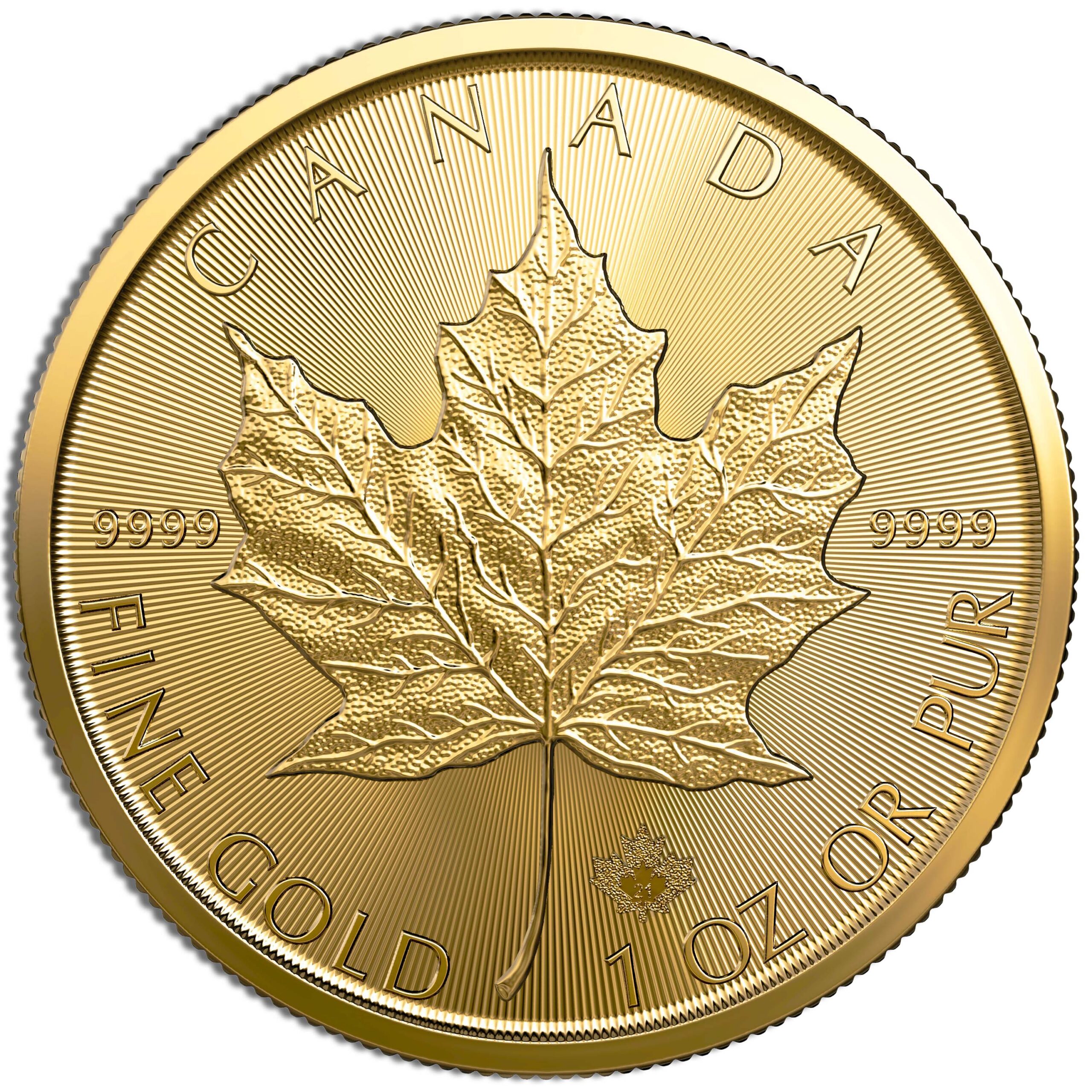
1 oz .9999 Gold Maple Leaf (Year Varies)
A one-ounce .9999 Gold Maple Leaf where the year varies.
Product pages, images, specifications, prices, premiums, packaging, and stock were reviewed September 5, 2026 and can change. The live listing controls the order.
What Agate Can Verify
Agate can verify the product name, stated metal, weight, purity, condition, packaging, and current transaction terms shown on its live listing. Availability, prices, premiums, payment methods, shipping, returns, and buyback conditions can change. Confirm the exact listing and applicable policies before ordering.
Frequently asked questions
Is platinum more valuable than gold?
Not consistently. The relative spot quotes for platinum and gold can change, and a particular product’s retail ask can also differ because of weight, fineness, fabrication, availability, collector features, and dealer pricing. Compare current, time-stamped quotes and like-for-like fine-metal content rather than relying on a historical generalization.
Is platinum better than gold for physical bullion?
Neither is universally better. Gold and platinum bullion can serve different research priorities and have different product selections and demand contexts. A physical-bullion comparison should focus on the exact format, fine-metal content, premium, seller transparency, current potential resale terms, and your own objectives and risk tolerance. Consider a qualified financial professional for individualized decisions.
Why can a platinum or gold coin cost more than its melt value?
The retail ask can include fabrication, distribution, dealer operations, market conditions, and a bullion premium. A proof, limited issue, or graded example can also include a separate collector premium. Melt value estimates only the metal component; it does not set the retail price or a future dealer offer.
Does a proof or graded coin have more metal value?
Usually, proof status or a grade does not change the stated fine-metal content of an otherwise comparable coin. It can affect collector interest and therefore a collector premium. Whether that premium applies, and how much, requires item-specific market evaluation; this article does not appraise coins.
Are industrial uses a reason to expect platinum’s price to rise?
No. Industrial uses are relevant context, but they do not determine future prices. Platinum and gold market quotes may also be influenced by supply, recycling, investment activity, currency conditions, broader economic expectations, and other factors. Avoid treating a single demand narrative as a forecast.
How can I compare a gold bar and a platinum bar fairly?
Record each bar’s fine-metal weight, fineness, brand, condition, live spot quote with timestamp, retail ask, and calculated premium over estimated melt value. Then ask about the current buyback approach for each exact bar if that matters to you. Do not compare a collectible bar or coin with standard bullion solely by their metal content.
Disclosure
Agate Metals sells precious-metal products, so this educational article may help readers evaluate categories Agate offers. Prices, spot quotes, premiums, inventory, availability, product specifications, dealer bids, buyback practices, shipping options, payment terms, and policies can change. Check the live product listing and current written terms before any transaction. Nothing here promises a return, resale result, tax outcome, availability, authenticity determination, or shipping outcome.
Sources
[1] U.S. Geological Survey, Gold Statistics and Information (accessed September 5, 2026). Used for general, non-price background on gold’s jewelry, industrial, conductivity, and corrosion-resistance applications.
[2] U.S. Geological Survey, Platinum-Group Metals Statistics and Information (accessed September 5, 2026). Used for general background on platinum-group-metal catalytic, automotive, chemical, jewelry, electrical, and high-temperature applications.
[3] World Gold Council, Historical Demand and Supply, data through June 30, 2026 (accessed September 5, 2026). Used only to identify major gold-demand sectors; it is not used for a price forecast.
[4] FINRA and CFTC, Investor Bulletin: 10 Things to Ask Before Buying Physical Gold, Silver or Other Metals, March 20, 2024 (accessed September 5, 2026). Used for general buyer-due-diligence and risk guidance.